


Choosing the right payment processing provider is one of the most important decisions a business owner makes—yet it’s often one of the least understood.
Between POS systems, interchange fees, flat rates, merchant accounts, and hardware options, many businesses end up overpaying simply because no one explained the system clearly.
This guide breaks down iQ payment processing, credit card processing, POS systems, and merchant services in a way that’s easy to understand—so you can make informed decisions, not rushed ones.
What Is Payment Processing?
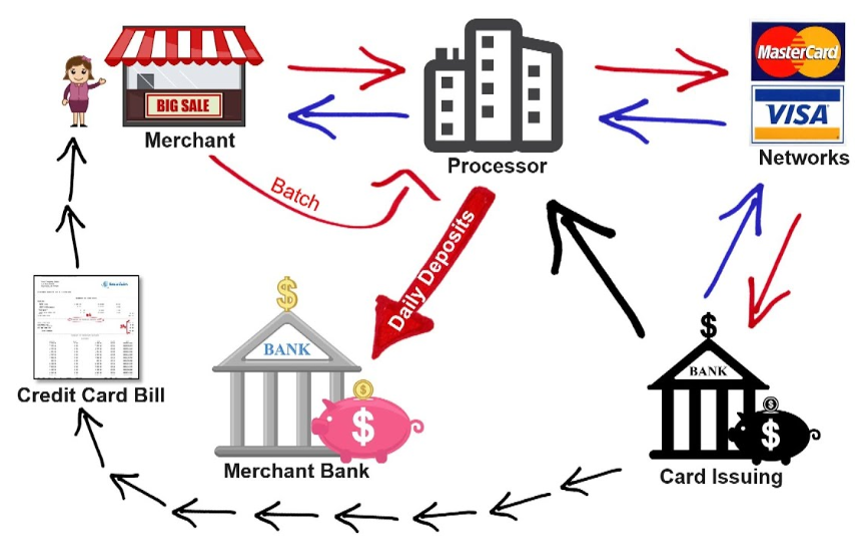
Payment processing is the system that allows your business to accept debit and credit cards from customers and deposit those funds into your bank account.
Behind every transaction are multiple parties:
The customer’s bank
The card network (Visa, Mastercard, etc.)
The processor
The merchant account provider
Your POS system or terminal
A good setup ensures transactions are fast, secure, transparent, and cost-effective.
A poor setup often results in:
High processing fees
Unclear statements
Locked contracts
Limited flexibility as you grow
What Is iQ Payment Processing?
iQ Payments refers to a modern approach to credit card processing and merchant services that focuses on transparency, flexibility, and matching businesses with the right POS and pricing model—rather than forcing a one-size-fits-all solution.
Instead of pushing a single platform or flat rate, iQ payment processing emphasizes:
Right-sized POS systems
Clear pricing structures
Scalable merchant accounts
Long-term cost efficiency
This approach is especially important for businesses that expect to grow or process consistent card volume.
Understanding Merchant Services (In Simple Terms)
Merchant services is the umbrella term for everything required to accept electronic payments, including:
Merchant account setup
Credit & debit card processing
POS systems
Payment gateways
Fraud protection
Reporting & statements
Hardware & software support
Think of merchant services as the infrastructure behind every card transaction.
POS Systems Explained (Beyond Just a Card Reader)
A POS system (Point of Sale) is the interface your business uses to accept payments and manage operations.
Modern POS systems can include:
Card acceptance (chip, tap, swipe)
Inventory tracking
Sales analytics
Employee permissions
Digital receipts
Online & mobile payments
Popular POS platforms include:
Clover
Square
Industry-specific systems for restaurants or retail
The key difference is not just features—but how the POS integrates with your payment processing.
Credit Card Processing: How Fees Actually Work
One of the most confusing parts of merchant services is credit card processing fees.
Every transaction typically includes:
Interchange fees (paid to the card-issuing bank)
Assessment fees (paid to card networks)
Processor markup
Some providers hide these costs inside flat rates. Others show them transparently.
Understanding this structure is crucial because:
Small percentage differences compound into thousands of dollars
Flat rates often punish growing businesses
Transparent pricing scales better long-term
Flat Rate vs Interchange-Plus Pricing
Flat Rate Pricing
Simple to understand
Higher overall cost at scale
Often used by beginner platforms
Interchange-Plus Pricing
More transparent
Lower total fees for most businesses
Better for established or growing merchants
iQ credit card processing setups often focus on interchange-plus or alternative pricing models because they align fees more closely with actual transaction costs.
Cash Discount & Dual Pricing (Educational Overview)
Cash discount and dual pricing programs allow businesses to:
Display a cash price
Apply a service fee to card transactions
Offset processing costs legally and transparently
When implemented correctly:
Customers see pricing clearly
Businesses reduce or eliminate processing expense
Compliance requirements are met
These models are becoming increasingly common across retail, service, and food businesses.
Who Should Pay Extra Attention to Their POS & Processing Setup?
Businesses that benefit most from optimizing payment processing include:
Retail stores
Food trucks & mobile vendors
Restaurants & cafés
Salons & barbershops
Service-based businesses
Professional offices
Even small changes in setup can significantly impact profit margins over time.
Common Merchant Processing Mistakes
Many businesses unknowingly:
Lease POS hardware instead of owning it
Accept default pricing without review
Use flat rates long past the startup phase
Pay unnecessary monthly and compliance fees
Outgrow their POS system without realizing it
Education—not pressure—is the key to avoiding these issues.
Why Education-First Merchant Services Matter
The payments industry has traditionally relied on:
Complex statements
Confusing terminology
Opaque pricing
An education-first approach helps business owners:
Understand what they’re paying
Compare options fairly
Choose systems that fit their workflow
Avoid costly long-term mistakes
That’s the philosophy behind iQ payment processing.
Final Thoughts: Choosing the Right Payment Setup
There is no single “best” POS system or processor for every business.
The right solution depends on:
Transaction volume
Business type
Growth plans
Operational needs
Fee sensitivity
Taking time to understand POS systems, credit card processing, and merchant services puts business owners in control—rather than at the mercy of confusing contracts.